Eight Months in Shanghai - Work, Life, and Rethinking Myself
Eight Months in Shanghai: Work, Life, and Rethinking Myself
Prologue
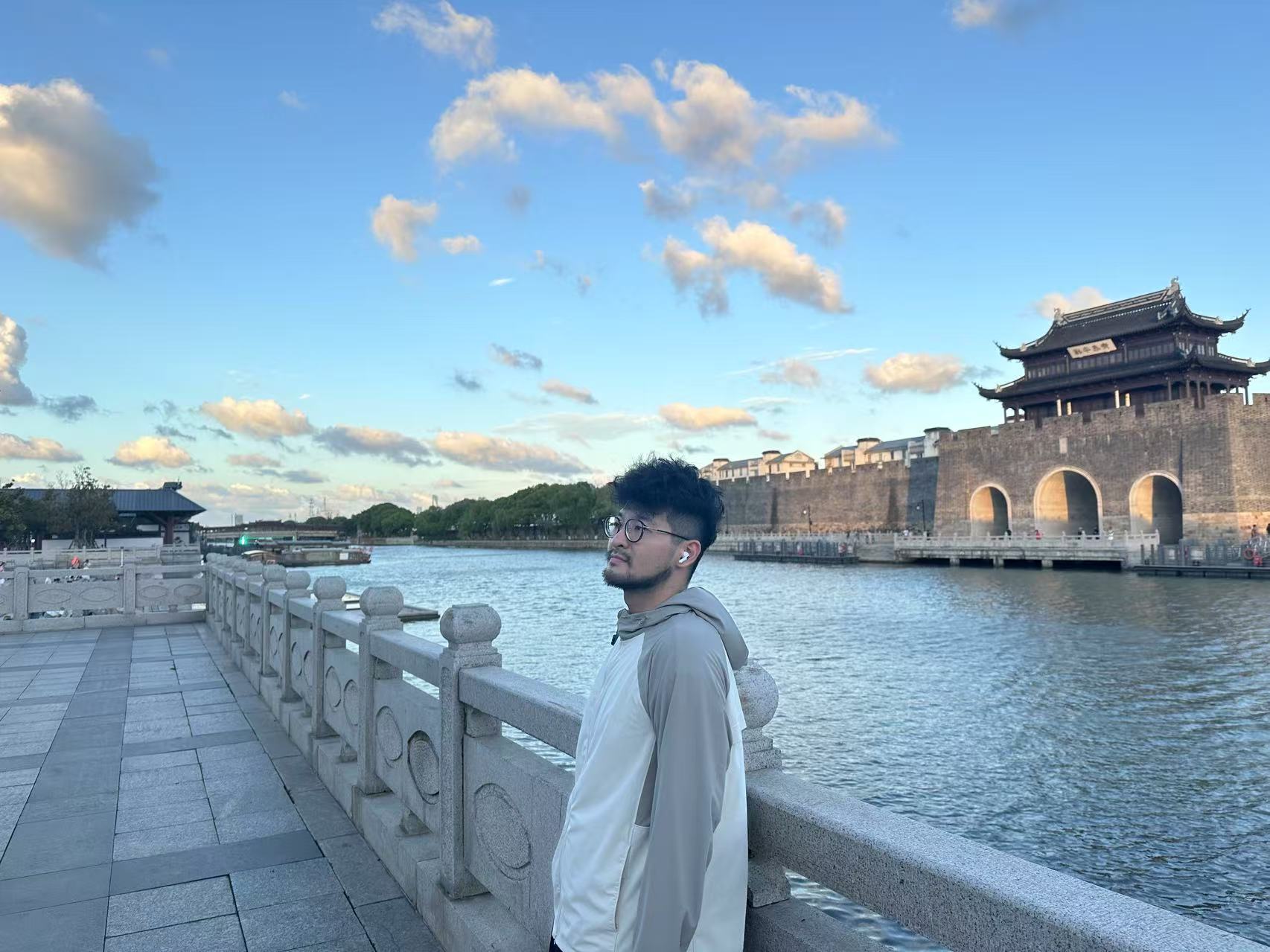
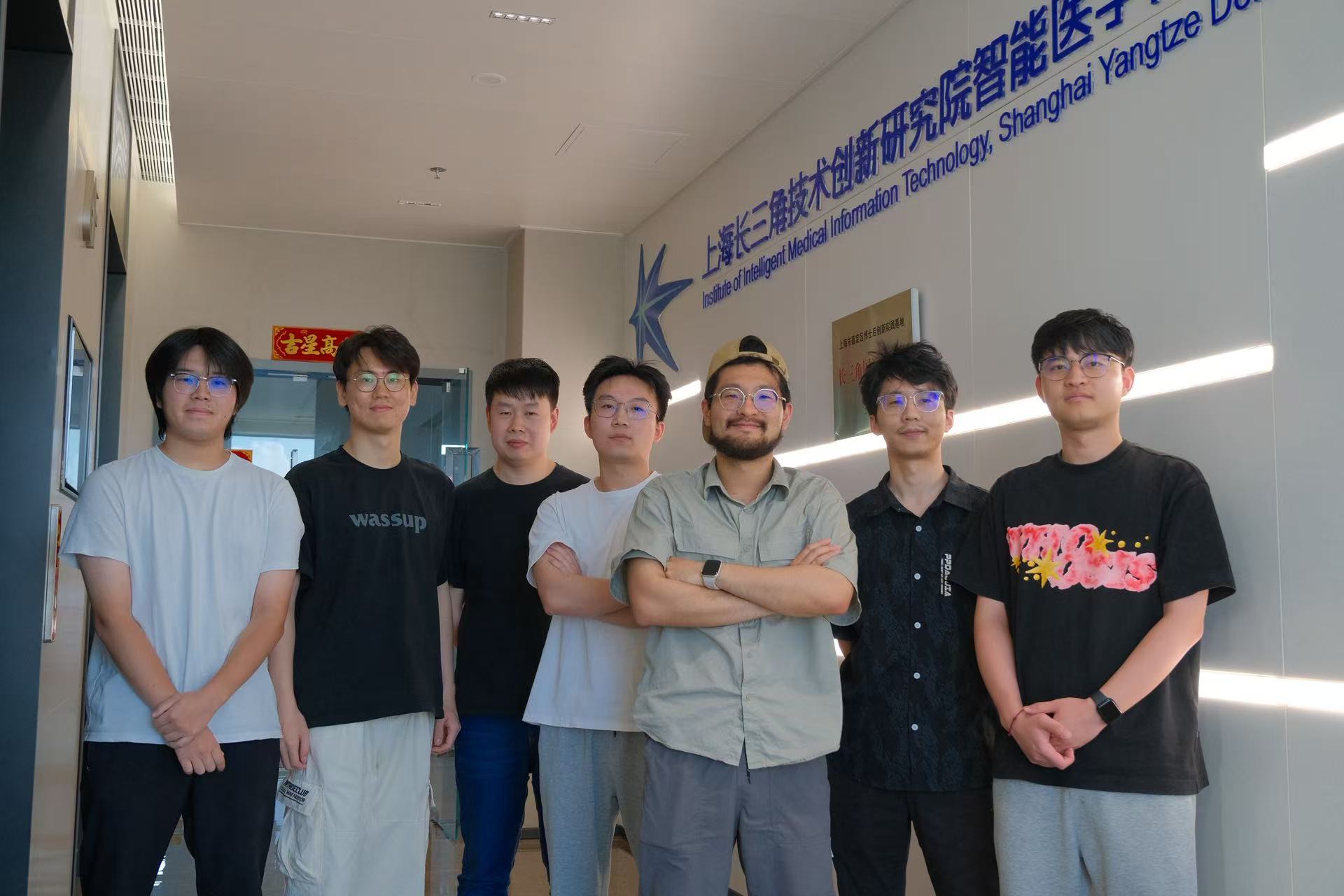
From the first warmth of spring to the suffocating heat of late summer, I spent eight months in Shanghai as an intern. At first, it was supposed to be just another line on my résumé — an ordinary checkpoint in a student’s career. But as the weeks turned into months, the city pressed its rhythm onto me. What I walked away with was not only technical growth, but also a sharper lens through which I now look at youth, ambition, relationships, and myself.
The Pulse of Work
To many outsiders, the myth of Shanghai’s tech industry is the relentless “996” rhythm — nine in the morning to nine at night, six days a week. Yet the truth is more paradoxical. Most of those who endure this grueling schedule are not passive victims but active pursuers. They fought their way through layers of exams, from undergraduate to graduate school, and finally survived interviews and technical trials to “earn” the privilege of such pain — the pain that comes with a high salary and the illusion of upward mobility.
But this privilege is not universal. For a larger group of young people, even the chance to exchange youth for exhaustion does not exist. They deliver food, serve tables, or drift toward more precarious trades — massage parlors on the margins, or short-video industries that exploit vulnerability. Education is unequal, and so is geography: a child’s birthplace still dictates the ceiling of opportunity.
In my own office, many colleagues came from small towns in Henan or Anhui. They were the ones tough enough, or perhaps resigned enough, to bear this rhythm. By contrast, many local Shanghainese youth seemed to move along other tracks — finance, family businesses, or, in some cases, simply living comfortably on inherited resources that could hardly be depleted in a lifetime. The same city, the same generation, but utterly different games being played.
Youth in the City
Youth in the City
For the young, life in Shanghai is heavy with pressure, and beneath the glittering skyline there lingers a collective bitterness. Many still labor under a social order that rewards hierarchy and connections more than ability or effort. The ladder upward often feels less like a test of skill than a test of whom you know, or whose shadow you can stand beneath.
Even within academia — supposedly the temple of ideas — the picture is sobering. Titles such as “professor,” “scientist,” or even “doctor” are sometimes hollow, carried by people who have long abandoned genuine research. Instead, they thrive on government projects, securing generous funding while reducing graduate students and doctoral candidates to little more than underpaid labor. Intellectual contribution is extracted, yet authorship is denied. The implicit bargain is cruelly simple: obey, work without recognition, and perhaps you will be allowed to graduate.
Whispers of deeper corruption add to the disillusionment — stories of power used not only to exploit minds but also bodies, of young women coerced under the pretense of mentorship. For many students, the dream of science becomes a transaction, stripped of its dignity. And so the city’s youth, whether in laboratories or offices, often find themselves wondering: is this the future we are supposed to inherit, or merely the one we are forced to endure?
On Love and Marriage
Love among the younger generation is no longer what it was for their parents. In a society where material desires dominate, even greed and vanity can appear to be accepted moral standards. At its darkest, intimacy turns transactional, sometimes collapsing into courtrooms where marriages end with accusations and lawsuits over property. Other times, it dissolves into violence — partners trapped in households poisoned by anger and abuse.
One story from my workplace lingers with me. A colleague, only a few years older than I am, was preparing to marry his girlfriend of three years. Yet her parents placed conditions: a modest apartment in Shanghai worth nearly 300,000 Canadian dollars, a car of 60,000, and a dowry of 200,000 in cash. For a young man earning around 40,000 a year, with no wealthy family behind him, this was close to impossible. In the end, it was his own father who had to step in, not to negotiate the price of love, but to persuade his son to let go — to abandon the marriage before it even began.
Such stories are not rare. For many, the weight of marriage is less about affection than about assets. Love, once thought of as the foundation for building a life together, too often becomes a financial negotiation, leaving young people caught between desire and despair.
Rethinking Myself
This internship gave me more than technical progress — though I did grow. More importantly, it forced me to reconsider my identity. I began to see myself less as just an “engineer implementing algorithms” and more as someone who should balance engineering pragmatism with research-driven curiosity. Shanghai taught me that competence is not only about mastering tools, but about knowing why you use them, and where you are heading.
I realized my long-term passion lies at the intersection of AI and medicine — a place where human lives meet computational ideas, and where technology must serve clarity rather than complexity. The city’s relentless rhythm made me ask: what is sustainable for me? I do not want to be swallowed by the race. Instead, I want to build something that lasts, both in work and in thought.
Epilogue
Eight months in Shanghai were enough to change my pace of thinking. The city offered me its contradictions — ambition and fatigue, convenience and cost, freedom and pressure. In return, I learned to clarify my own contradictions: engineer and researcher, dreamer and realist, participant and observer.
Shanghai whispered a truth that I carry with me now: to grow is not simply to run faster, but to choose your direction more deliberately.